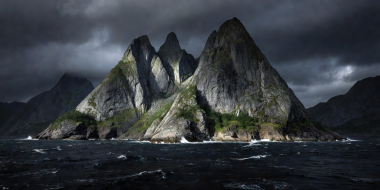
Senja’s Western Ramparts
Known locally as "Norway in miniature," the outer oceanic flank of Senja presents steep razor ridges like Okshornan (The Devil's Teeth) and Husfjellet dropping directly into deep fjords like Bergsfjorden.
Norway’s high-traffic highway loops and summer ferry lines represent only a fraction of its wild landmass. The country’s most compelling geography lies beyond crowded overlooks.
By shifting focus toward islands without suspension bridges, archipelagos that require local express passenger boats, and Arctic coastal shelves along the Russian border, travelers encounter natural scale without tourist infrastructure buffering the elements.
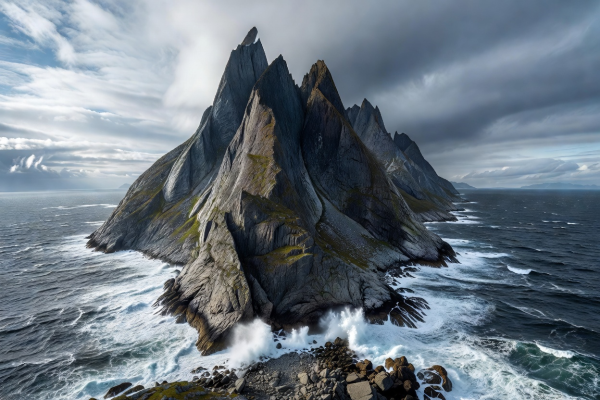
Known locally as "Norway in miniature," the outer oceanic flank of Senja presents steep razor ridges like Okshornan (The Devil's Teeth) and Husfjellet dropping directly into deep fjords like Bergsfjorden.
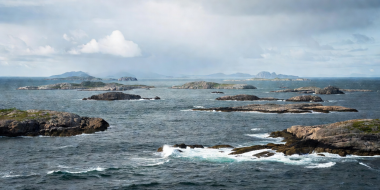
Thousands of low-lying islands, islets, and sea mounts cross the Arctic Circle. Peaks like Dønnamannen and the Seven Sisters of Alstahaug erupt out of flat coastal waters without continental clutter.
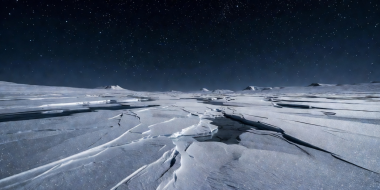
A moonscape of shattered sandstone and taiga meeting the cold waters of the Barents Sea. Home to dramatic sea-bird cliffs at Hornøya, historical Sami sacrificial sites, and true polar desert terrain.
Visiting remote landscapes requires fundamentally different planning than touring the southern fjords. In places like Varanger or the outer Helgeland islands: